
 As a writer and professor, I live in a world of words. I read them voraciously, proclaim them in class, grade them on papers, use them to argue points in committee meetings.
In fact, we all live in worlds like this. Television, internet, newspapers, advertisements on billboards, bulletin boards, on flyers. Words on goods in stores, identifying gas stations and gasoline grades. Words fly at us all day, every day. We are so enmeshed in a web of words that we don’t usually even think about it. There is no escaping the words. And the words are transparent because we know them so well. When you see a box of “Frosted Flakes,” you are so attuned to the branding in the words themselves that you instantly know the words. You tune them out, both visually and aurally. When a TV ad comes on that is annoying—for the seventeenth time—you tune out the words, wait until he words return to something more interesting. And the problem with words is that, once you learn them, you cannot un-learn them! You see the word STOP on a red sign—you know what it means, and cannot see that word again as if you had never seen it before. The mind leaps ahead for you.
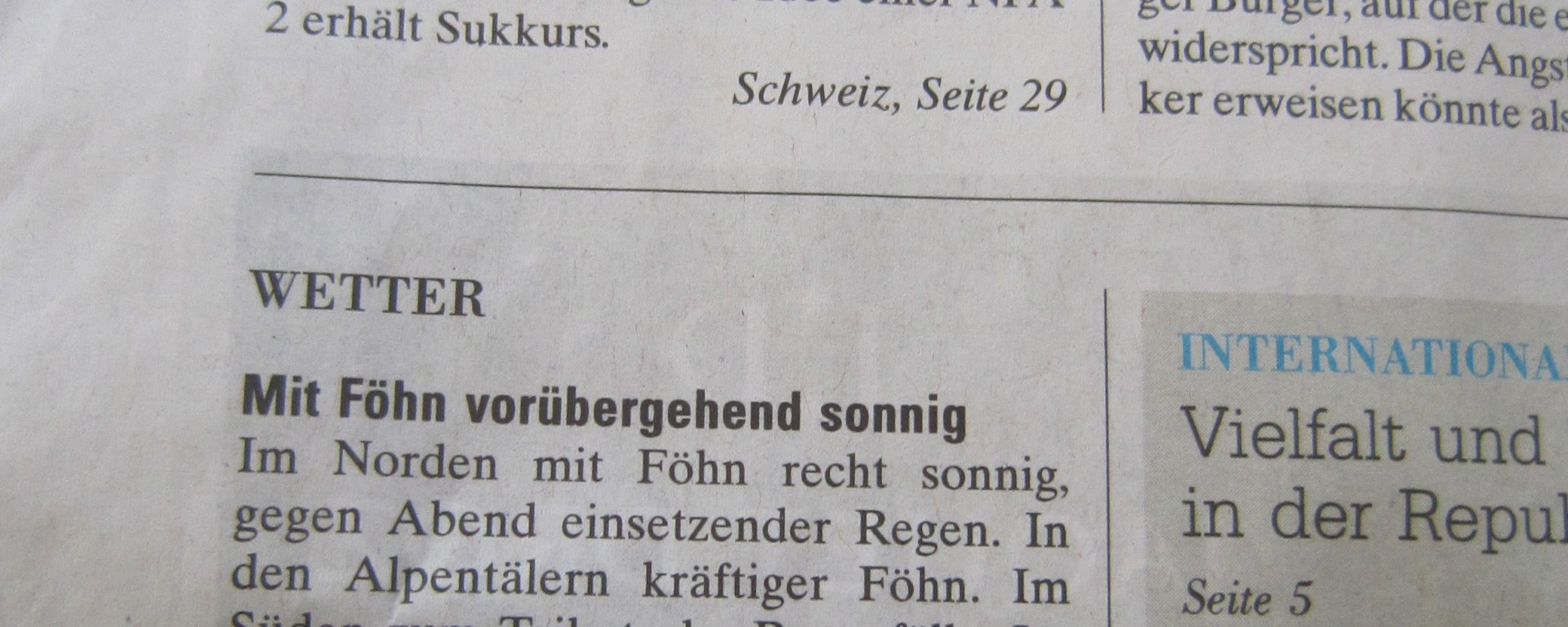
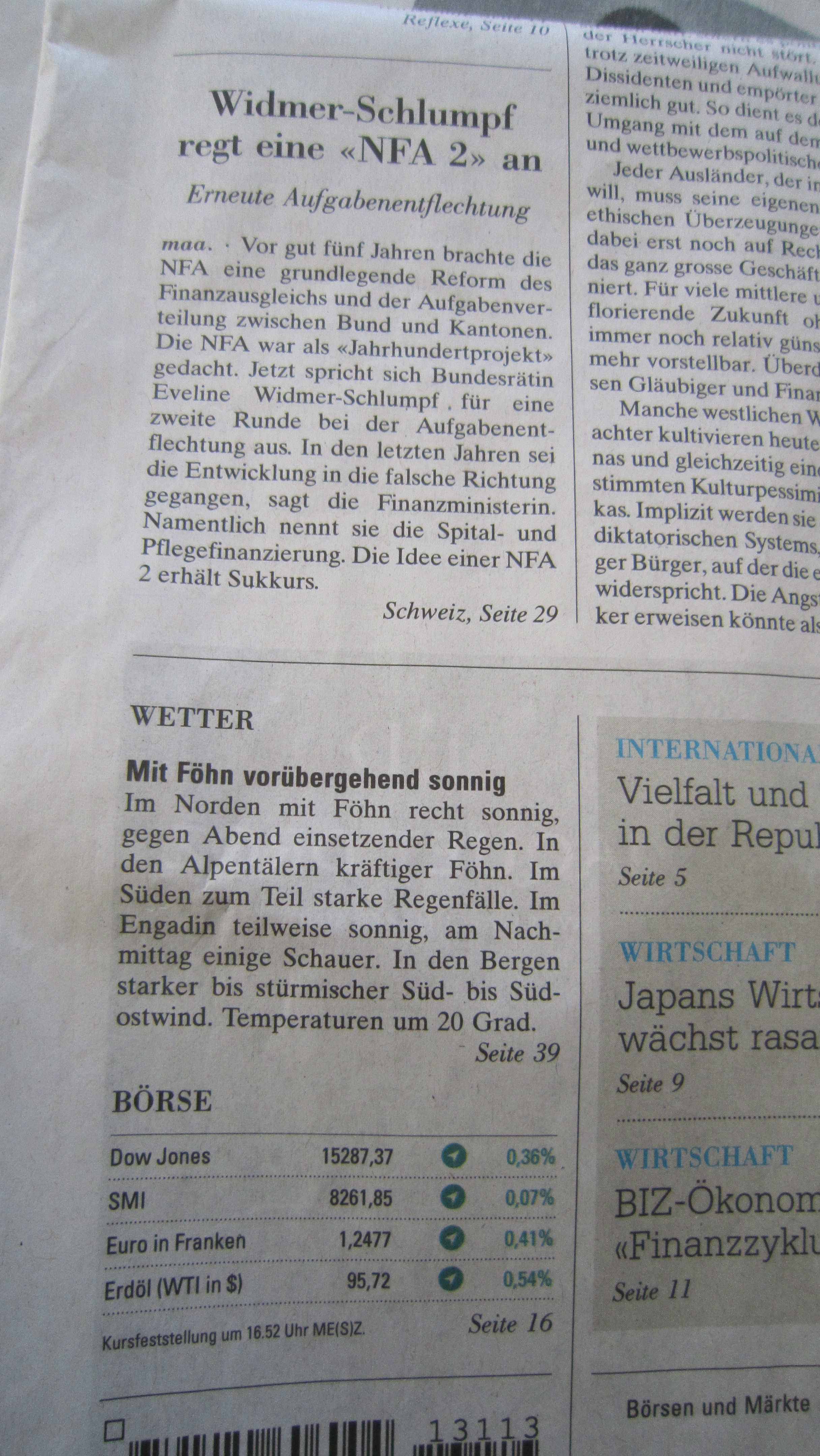
One of my absolute top pleasures in travel is that I escape that web of words—at least partially! TV, radio, newspapers, grocery labels, street signs, overheard conversations—suddenly you are cut off from all of these! Burger King may run an ad in America with the picture of a king, and you automatically get all the connections. Here, though, there is a word—which I don’t know—and a picture which may or may not really be a clue to what the product or service advertised is. There are more words, but that is no help. In the grocery, items in cans and boxes have pictures, usually. That helps, but not always. Last weekend we got some vanilla ice cream based on the picture on the box—turned out to be lemon ice cream. Not the end of the world, of course. But a reminder that words mean something, and suddenly you have none—or very few!
Sometimes the lack of words is troubling. Go to the train station in Budapest, and try to figure out how to buy a ticket and get to the next station. There are letters here that are not used in English, so finding words that look similar is out of the question—besides, even cognates are often misleading. Hungarian words sometimes seem to have 36 letters, no obvious vowels, and are pronounced as a single syllable! So my use of the language is gone!
It becomes hard work! To make up for the lack of words, you become more attuned to details in your surroundings. It makes you a full time investigator looking for any clues as to what is going on, like CSI or Sherlock on steroids. That can be tiring!
But it also makes the words you have seem more precious. When I read something in English, when I speak to people here at the center, it can feel a little like being on a deserted island in the middle of a sea of unknown noises. I talk and enjoy listening to my colleagues because it is easier; when heading out into the city, I have to start tuning up my other senses instead.
As I write this, some people walking by outside are engaged in conversation. German is drifting into the room, I have no idea what they are saying. I am listening for emotion in the language. Yesterday, a couple walked by in loud conversation, clearly heated, shouting. I looked out the window and could tell it was a stressful argument between a man and a woman. What was it about? Not a clue! The man kept trying to walk away, the woman kept grabbing at his sleeve. Finally he took off and she got out her cell-phone and called someone. Had he robbed her? Was she demanding a ride? Should I have called the police? Not. A. Clue. In the end she reached out with words on the phone and I could do nothing. She had words. I did not.
So what is pleasurable about this?
Words are my tools of the trade. Words form the parameters of my day, the very fabric of my life in Portland. Here in Europe, that fabric is tattered and missing. I learn a few stock phrases for hello, thank you, etc. My English words feel vulnerable. I can use them almost everywhere in town. People will understand me, especially if I am trying to buy something. But there is a distance that I cannot bridge because I am not a native of THIS world of words.
The old joke haunts me: What do you call someone who speaks two languages? Bilingual. What do you call someone who speaks three languages? Trilingual. What do you call someone who speaks only one language? An American.
But the pleasure comes from looking more closely at the landscape and people’s faces to try to understand what is going on. It comes from passing a multitude of advertising signs and being completely oblivious to them, even sub-consciously! I see and hear trees and birds that, at home, words would likely crowd out! And it comes from gaining a new appreciation of the tools of my trade, the fabric of my world at home: my words.
As a writer and a professor, I live in a world of words. Being in Europe, I come to newly appreciate the precious and vulnerable nature of words, and how they structure the world I live in.
When I do go home, I always find that the first week or two I am deluged by words, ads, intruding on every moment of my waking life. And I adjust the volume by tuning it down, tuning out, ignoring words. And I find I need not pay as close attention to every detail. It is more restful, but I think something gets lost.
Words are part of the refreshing, frustrating, sense-heightening experience of being in Europe, especially for an extended period of time. Going to Europe is like jumping into a pool of water, and suddenly everything is different—you hold your breath, things float upwards, gravity is negotiable, and you are soaked. And when you get out of the pool it is great to be on dry land again where all the old rules apply. But the memory of floating free in an immersive world is a delicious memory to be savored. And you imagine floating in air, as you did in the water, and imagine breaking the rules of the land.
Returning from Europe, I look at words more tenderly, and experience them more imaginatively!
 Wist Blog: Creative Scribbles